
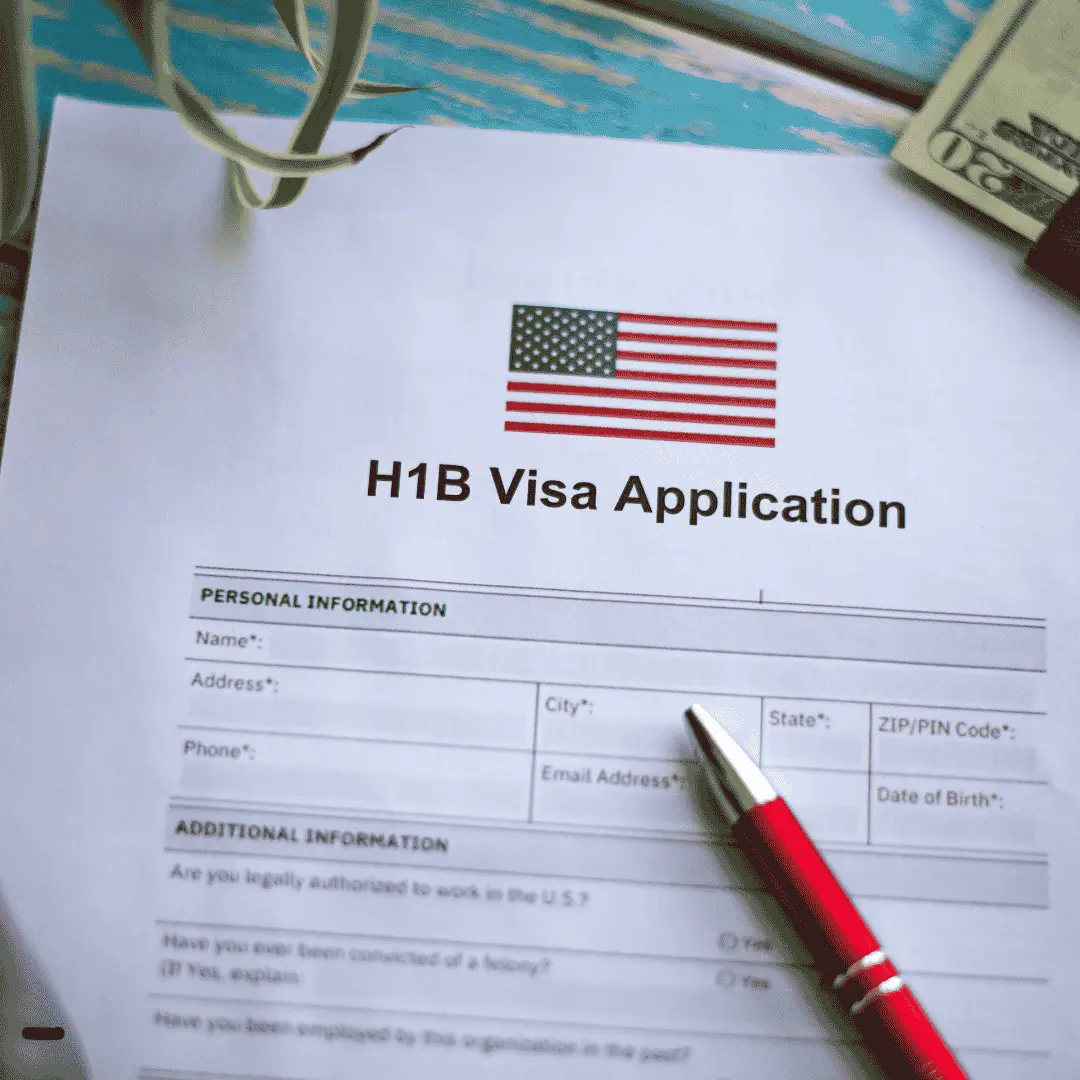
The H-1B visa program, a cornerstone for foreign professionals seeking work opportunities in the United States, is undergoing a significant change for the 2027 fiscal year. These updates are designed to prioritize highly skilled and higher-paid professionals, reshaping the landscape for both employers and applicants.
Registration Timeline and Fees for FY 2027
- Registration Window: March 4 – March 19, 2026
- Selection Notices: Expected by March 31, 2026
- Registration Fee: $215 per applicant
- Filing Fee (if selected): $100,000 for certain petitions (context-specific; subject to USCIS guidelines)
- Filing Window: Employers have 90 days to submit the full petition after selection
Employers or their authorized representatives must complete registration through a USCIS online account. Given the tighter framework and increased competition, early preparation is strongly recommended.
The New Weighted H-1B Selection System
Historically, the H-1B visa relied on a purely random lottery, where entry-level applicants competed on equal footing with senior professionals. Beginning with FY 2027, this approach has changed.
Under the new system, higher-paid roles and specialized skills receive priority, aligning visa allocation more closely with U.S. labor market demand. The shift also aims to discourage wage suppression and reinforce the program’s “specialty occupation” intent.
How the New Weighted Selection Process Works
Each registration is now assigned a different weight based on the wage level offered, as defined by the U.S. Department of Labor:
- Level IV: Highest wages → strongest weighting
- Level III: High wages
- Level II: Moderate wages
- Level I: Entry-level → weakest weighting
In practical terms, higher-wage roles may enter the selection pool multiple times, significantly improving their chances compared to lower-paid positions.
Who Benefits Most Under the New Rules
The revised framework works in favor of:
- Mid-career and senior professionals in technology, engineering, and other specialized fields
- Roles in AI, data science, semiconductors, cybersecurity, and advanced engineering
- Employers offering salaries well above local prevailing wage levels
- Indian professionals with deeper experience and competitive U.S. salary offers
For employers hiring high-demand talent, the system offers greater predictability and alignment with workforce needs.
Who Faces Tougher Odds Under the New System
While the new rules benefit experienced professionals, they may pose challenges for:
- Fresh graduates and early-career workers
- Positions classified under Wage Level I or II
- Low-margin IT services and “body-shopping” staffing models
- Students transitioning directly from OPT into lower-paid roles
Applicants in these categories may need to consider alternative strategies, such as negotiating higher wages, targeting niche skill areas, or gaining additional experience before entering the H-1B process.
Source: Business Standard (https://www.business-standard.com/immigration/h-1b-visa-2027-higher-salaries-skilled-roles-get-priority-under-new-rules-126020300411_1.html)